
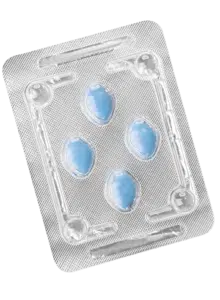
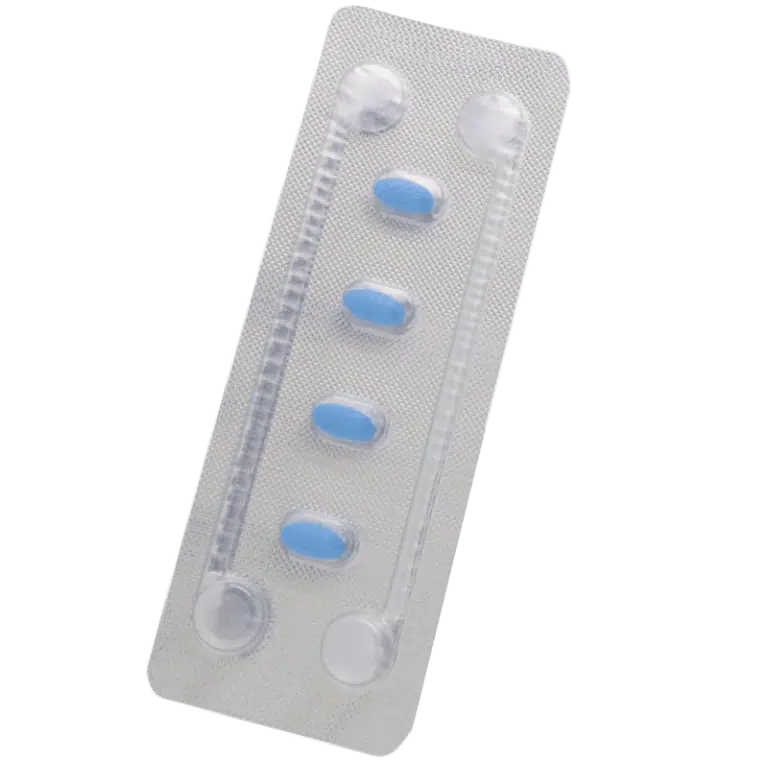
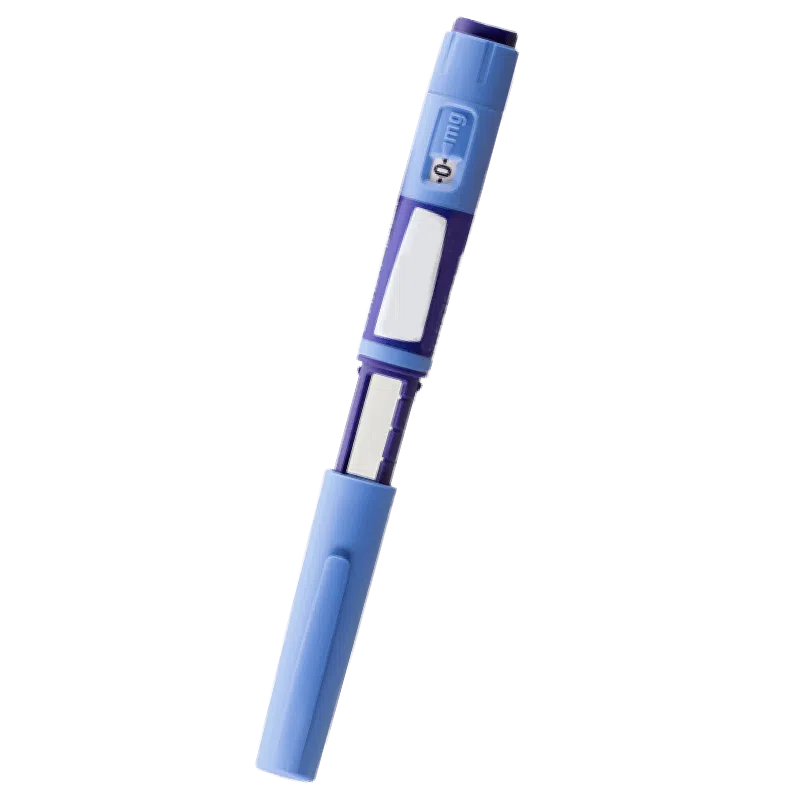
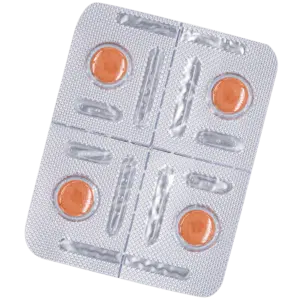



Estrace is a type of HRT (hormone replacement therapy) available as either a tablet or vaginal cream. Both forms contain the active ingredient estradiol, which is a synthetic estrogen. Although primarily used to treat the symptoms of menopause (like hot flashes, mood changes and vaginal dryness), it can also be used as part of some cancer treatments and to help prevent bone loss (osteoporosis).
Estrace tablets should be taken alongside a progestin if you haven’t had a hysterectomy, and only for as long as it helps your symptoms for. Ideally, your treatment should be reviewed every three-to-six months to see if your dose can be lowered, or to see if treatment can be stopped entirely. Estrace vaginal cream might be safer to use on a more long-term basis because the risks are lower. And it can be used without a progestin, even if you haven’t had a hysterectomy.
How does Estrace work?
Menopause can happen for one of two reasons: either through age, where your body stops producing eggs and you stop getting periods, or through a medical procedure that stops your ovaries from working (called ‘medically induced menopause’). In either case, the amount of estrogen that circulates in your body decreases. This decrease in estrogen is what causes your symptoms. Estrace works to counteract these symptoms by, quite simply, supplying your body with estrogen, making up the deficit.
Another common risk associated with the menopause is decreased bone density, called osteoporosis. Estrace tablets can also help to reduce and prevent this bone loss, though other treatments may be recommended if you have no other symptoms. Similarly, Estrace tablets can help with vaginal symptoms like vaginal dryness, but the vaginal cream will be better for you if this is the main symptom you’re getting.
This page was written by The Treated Content Team.
This page was medically reviewed by Dr Alexandra Cristina Cowell on December 11, 2023. Next review due on December 11, 2026.
How we source info.
When we present you with stats, data, opinion or a consensus, we’ll tell you where this came from. And we’ll only present data as clinically reliable if it’s come from a reputable source, such as a state or government-funded health body, a peer-reviewed medical journal, or a recognised analytics or data body. Read more in our editorial policy.
EstraceEstradiol
How to take Estrace for menopause
Make sure to follow the instructions given to you by your doctor when taking Estrace.
How to take Estrace tablets
Take one tablet a day, with water (your doctor will help you decide the dose that’s right for you)
Swallow it whole — don’t chew or crush it.
How to use Estrace Vaginal Cream
Estrace Vaginal Cream comes with an applicator to help you insert it into your vagina.
Wash and dry your hands well.
Remove the cap from the cream.
Hold the applicator with your index finger on top of the plunger and screw the threaded end onto the open nozzle of the vaginal cream tube.
Hold the cream and the applicator vertically so you can clearly see the numbered dose reader on the applicator.
Gently squeeze the tube from the bottom to push your prescribed dose of cream into the applicator.
When your dose has been reached, unscrew the tube from the applicator and replace the cap.
To deliver the cream, lie on your back with your legs spread apart and insert the applicator deep into your vagina.
Press the plunger downwards to its original position, then remove the applicator.
Clean the applicator with mild soap and warm water.
What are the different forms and doses of Estrace?
Estrace comes in either tablets for systemic (whole body) menopause symptoms (like hot flashes and mood changes), or a vaginal cream for local symptoms, like vaginal dryness or atrophy (weakening).
In terms of doses, you can take the tablet as either a 0.5mg, 1mg or 2mg dose. The one you’re prescribed will be the lowest one to treat your symptoms.
And the cream is available in one strength: 0.01%, of which you can measure doses of 1g, 2g, 3g or 4g into the applicator. Again, the dose you’re prescribed will be the lowest one that helps your symptoms.
This page was written by The Treated Content Team.
This page was medically reviewed by Dr Alexandra Cristina Cowell on December 11, 2023. Next review due on December 11, 2026.
How we source info.
When we present you with stats, data, opinion or a consensus, we’ll tell you where this came from. And we’ll only present data as clinically reliable if it’s come from a reputable source, such as a state or government-funded health body, a peer-reviewed medical journal, or a recognised analytics or data body. Read more in our editorial policy.
EstraceEstradiol
Estrace isn’t suitable for everyone, and there are some things that you need to be aware of when taking it.
Here’s all the official info on it. If anything is unclear, let our clinician know, and they can talk with you about it.
Have something specific you want to know? Search our info below, or ask our experts a question if you can’t find what you’re looking for.
How is Estrace different to other treatments for menopause?
Answer:
Estrace is a form of estrogen-only HRT, whereas some other HRTs may also contain progesterone. These are called ‘combined HRT’, and they’re more suitable for women who haven’t had a hysterectomy. If you take Estrace tablets but haven’t had a hysterectomy, you’ll need to take a separate progestin to help protect yourself against womb cancer.
Vaginal HRT is always estrogen-only, but it may come in different forms. Some vaginal HRTs may come as gels or pessaries, and so you may have to use them differently, but they’ll largely do the same job.
If you’re looking for a HRT option that you don’t need to remember to use every day, then you might want to consider HRT patches. These are sticky patches that you put on your skin like a band-aid, and they work for a few days to deliver medicine into your body. You’ll use one or two a week, which you might find more convenient than sticking to a daily regimen.
How well does Estrace work for menopause symptoms?
Answer:
In a 2018 study of 576 postmenopausal women with vaginal dryness, vaginal estradiol was found to reduce vaginal dryness and improve vaginal pH versus placebo after 10 weeks.[1] And for oral estradiol, the majority of studies have found that it significantly improves symptoms for postmenopausal women. Research indicates that it can also reduce stress levels and improve bone health. [2]
Our experts continually monitor new findings in health and medicine, and we update our articles when new info becomes available.
Dec 10, 2023
Published by: The Treated Content Team.Medically reviewed by: Dr Alexandra Cristina Cowell, Writer & Clinical Content Reviewer
How we source info.
When we present you with stats, data, opinion or a consensus, we’ll tell you where this came from. And we’ll only present data as clinically reliable if it’s come from a reputable source, such as a state or government-funded health body, a peer-reviewed medical journal, or a recognised analytics or data body. Read more in our editorial policy.
This is healthcare on your terms.
All from the comfort of your device. Get access to what you need, when you need it.
100% online
Ask questions and get expert recommendations, at the touch of a button.
Tailored choices
We'll narrow down some treatments for you to choose from based on your medical profile.
Secure shipping
Receive your treatment by express delivery, in discreet packaging.
Easy automatic refills
Set your own delivery schedule and pause or make changes any time you like.
We're making healthcare more about you. Sign up to our newsletter for personalised health articles that make a difference.
Disclaimer: The information provided on this page is not a substitute for professional medical advice, diagnosis, or treatment. If you have any questions or concerns about your health, please talk to a doctor.
Dr Alexandra Cristina Cowell
Writer & Clinical Content Reviewer
Cristina writes content for Treated, and reviews content produced by our other writers to make sure it’s clinically accurate.
When we present you with stats, data, opinion or a consensus, we’ll tell you where this came from. And we’ll only present data as clinically reliable if it’s come from a reputable source, such as a state or government-funded health body, a peer-reviewed medical journal, or a recognised analytics or data body. Read more in our editorial policy.
Reviews you can trust
All of our reviews are collected from real patients after their treatment has been delivered.
We publish reviews collected through independent platforms including Reviews.io and Trustpilot.