Epinephrine is the generic version of the commonly known treatment called EpiPen. It’s an emergency treatment for a severe allergic reaction called anaphylaxis. It delivers a dose of adrenaline, which helps counteract the allergic response.
Anaphylaxis is a life-threatening medical condition that requires immediate attention. It’s typically triggered by allergens such as certain foods (like peanuts or shellfish), bee stings, or other substances. When your body comes in contact with a trigger, it produces a rapid immune response that can lead to a drastic drop in blood pressure, tightening airways, and difficulty breathing. These severe reactions can occur within minutes, so it’s important to always carry an EpiPen to treat the reaction immediately.[1]
How does Epinephrine work?
Epinephrine is a hormone in the fight-and-flight response that helps treat severe allergic reactions. It treats anaphylaxis rapidly in several ways:[2]
Constricts blood vessels to increase blood pressure to help prevent you from losing consciousness.
Opens the airways by relaxing the muscles in the airways, so it’s easier to breathe.
Increases heart rate to force the heart to contract and maintain blood flow to the vital organs.
What doses of Epinephrine are there?
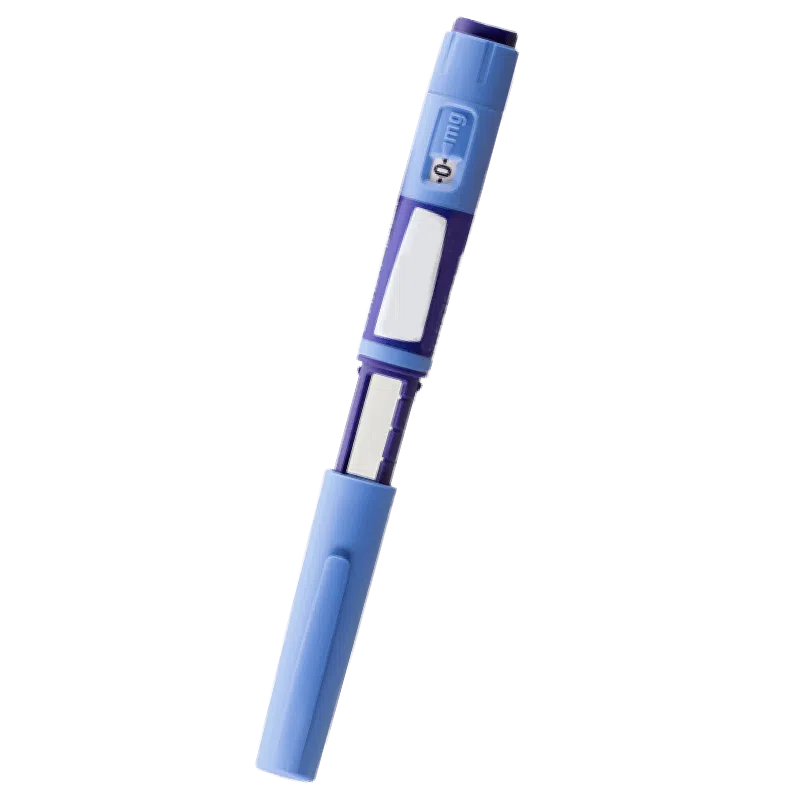
Epinephrine is an auto-injector pen containing a single dose of 0.3mg. It’s crucial you deliver the full dose as soon as you notice the first signs of an anaphylactic reaction. Sometimes, a second pen may be required if the symptoms don’t subside after 5 minutes.
There are other pens available that contain 0.15mg dose; these are often used for children with a body weight of less than 15kg.
Treated trusted source:
McLendon K, Sternard BT. Anaphylaxis. [Updated 2023 Jan 26]. In: StatPearls. Treasure Island (FL): StatPearls Publishing; 2025 Jan-.
Dalal R, Grujic D. Epinephrine. [Updated 2024 Nov 23]. In: StatPearls. Treasure Island (FL): StatPearls Publishing; 2025 Jan-.
This page was written by The Treated Content Team.
This page was medically reviewed by Dr Alexandra Cristina Cowell on March 28, 2025. Next review due on March 28, 2028.
How we source info.
When we present you with stats, data, opinion or a consensus, we’ll tell you where this came from. And we’ll only present data as clinically reliable if it’s come from a reputable source, such as a state or government-funded health body, a peer-reviewed medical journal, or a recognised analytics or data body. Read more in our editorial policy.
EpinephrineEpinephrine
How to take Epinephrine
Epinephrine is often administered by someone else, not the person experiencing a reaction, so it’s important for those close to you to know how to use it.
You should inject the pen immediately as soon as you notice the first sign of an anaphylactic reaction, as delaying treatment can be life-threatening.
To inject Epinephrine:
Hold the pen from the side, making sure your fingers don’t touch either end.
Remove the blue safety cap.
Hold the pen at least 10 cm away from the thigh. The orange end should be facing the thigh.
Jab the pen to the outer thigh.
Hold firmly for 3 seconds.
Remove the pen.
Phone 911.
If the symptoms don’t improve within 5 minutes, you may need to use a second pen.
You don’t need to remove any clothing as the needle will piece through the clothes.
If you’re unsure which end has the needle, remember this rhyme: Orange to the thigh, blue to the sky.
The orange end contains the needle and helps deliver the dose of Epinephrine. The blue end is a safety cap that must be removed before injecting the dose.
How long does Epinephrine take to work?
Epinephrine works immediately to relieve an allergic reaction. But it can take around 5-10 minutes to feel the full effect. If the symptoms don’t relieve after 5 minutes, a second dose is required. After about 20 minutes, the effects should begin to wear off.[1]
What should I do if I make a mistake when taking Epinephrine?
If you accidentally inject it: You may experience side effects like increased heart rate, sweating and anxiety. You should seek medical attention immediately. To prevent this, only remove the blue safety cap when injecting.
If you accidentally inject your finger or hand: This can decrease blood supply to the injected area, so you should go to the hospital immediately.
If you didn’t jab hard enough: The plunger may not have been activated, meaning the needle delivering the medicine won’t be released. If the pen hasn’t been activated, jab it again with more force.
If you didn’t hold the pen long enough: The full dose might not have been delivered. Don’t re-insert the needle. Instead, monitor the person’s condition and decide whether a second pen is needed.
Treated trusted source:
Chipps, B. (2022). What Is Epinephrine? | Allergy & Asthma Network. Allergy & Asthma Network.
This page was written by The Treated Content Team.
This page was medically reviewed by Dr Alexandra Cristina Cowell on March 28, 2025. Next review due on March 28, 2028.
How we source info.
When we present you with stats, data, opinion or a consensus, we’ll tell you where this came from. And we’ll only present data as clinically reliable if it’s come from a reputable source, such as a state or government-funded health body, a peer-reviewed medical journal, or a recognised analytics or data body. Read more in our editorial policy.
EpinephrineEpinephrine
Epinephrine isn’t suitable for everyone, and there are some things that you need to be aware of when taking it.
Here’s all the official info on it. If anything is unclear, let our doctor know, and they can talk with you about it.
EpinephrineEpinephrine
Epinephrine: FAQ
Have something specific you want to know? Search our info below, or ask our experts a question if you can’t find what you’re looking for.
Is there an Epinephrine nasal spray?
Answer:
Epinephrine is available as a nasal spray under the brand name Neffy. It works similarly to the epinephrine pen but is administered differently.
There isn’t much difference in the way they work; both increase heart rate and blood pressure while constricting blood vessels to stop an anaphylactic reaction.
The main differences lie in administration, absorption, and packaging:
Administration: Epinephrine is delivered via an injectable pen that’s injected into the outer thigh, whereas Neffy is a nasal spray that is administered through the nostril. This makes Neffy easier to administer.
Absorption: Studies have shown that Neffy absorbs more quickly into the bloodstream, resulting in a faster response compared to the epinephrine pen. [1]
Packaging: Epinephrine comes in an auto-injecting pen, while Neffy is packaged as a nasal spray. Neffy is also smaller and easier to carry in the pocket.
How does Norepinephrine compare with Epinephrine?
Answer:
Epinephrine and norepinephrine are two hormones involved in the fight and flight response. While they may have similar effects, they treat different conditions.
Epinephrine helps increase heart rate, and blood pressure while constricting blood vessels to treat an anaphylactic reaction. On the other hand, norepinephrine primarily focuses on increasing blood pressure, making it suitable to treat septic shock, a condition characterised by low blood pressure.
Will I get side effects using Epinephrine?
Answer:
There's a chance of experiencing side effects when using Epinephrine. Some side effects include cardiomyopathy, irregular heartbeat, palpitations, chest pains, high blood pressure, and vomiting. These side effects are rare, so it's unlikely you’ll experience them.
Because of the situations where Epinephrine tends to be used, the benefits of the treatment (potentially saving a life) often outweigh the risk of side effects. But if you have any concerns about side effects, ask your clinician for advice.
What is the difference between Epinephrine and adrenaline?
Answer:
There's no difference between them. Epinephrine and adrenaline are the same hormones but go by different names depending on the region. In the US, Epinephrine is more common while in the EU, adrenaline is sometimes used.
Is there a branded version of Epinephrine?
Answer:
Epinephrine is the generic version of the branded treatment called EpiPen. Both treatments contain the same active ingredient in the same concentration, so you shouldn't notice a difference in effectiveness. Some key differences include the packaging, the non-active ingredients and the prices. Generally, the generic version tends to be cheaper.
Our experts continually monitor new findings in health and medicine, and we update our articles when new info becomes available.
Mar 28, 2025
Published by: The Treated Content Team.Medically reviewed by: Dr Alexandra Cristina Cowell, Writer & Clinical Content Reviewer
How we source info.
When we present you with stats, data, opinion or a consensus, we’ll tell you where this came from. And we’ll only present data as clinically reliable if it’s come from a reputable source, such as a state or government-funded health body, a peer-reviewed medical journal, or a recognised analytics or data body. Read more in our editorial policy.
This is healthcare on your terms.
All from the comfort of your device. Get access to what you need, when you need it.
100% online
Ask questions and get expert recommendations, at the touch of a button.
Tailored choices
We'll narrow down some treatments for you to choose from based on your medical profile.
Secure shipping
Receive your treatment by express delivery, in discreet packaging.
Easy automatic refills
Set your own delivery schedule and pause or make changes any time you like.
We're making healthcare more about you. Sign up to our newsletter for personalised health articles that make a difference.
Disclaimer: The information provided on this page is not a substitute for professional medical advice, diagnosis, or treatment. If you have any questions or concerns about your health, please talk to a doctor.
Dr Alexandra Cristina Cowell
Writer & Clinical Content Reviewer
Cristina writes content for Treated, and reviews content produced by our other writers to make sure it’s clinically accurate.
When we present you with stats, data, opinion or a consensus, we’ll tell you where this came from. And we’ll only present data as clinically reliable if it’s come from a reputable source, such as a state or government-funded health body, a peer-reviewed medical journal, or a recognised analytics or data body. Read more in our editorial policy.
Reviews you can trust
All of our reviews are collected from real patients after their treatment has been delivered.
We publish reviews collected through independent platforms including Reviews.io and Trustpilot.