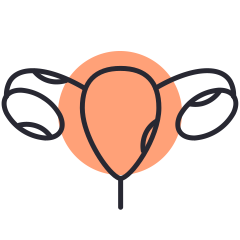
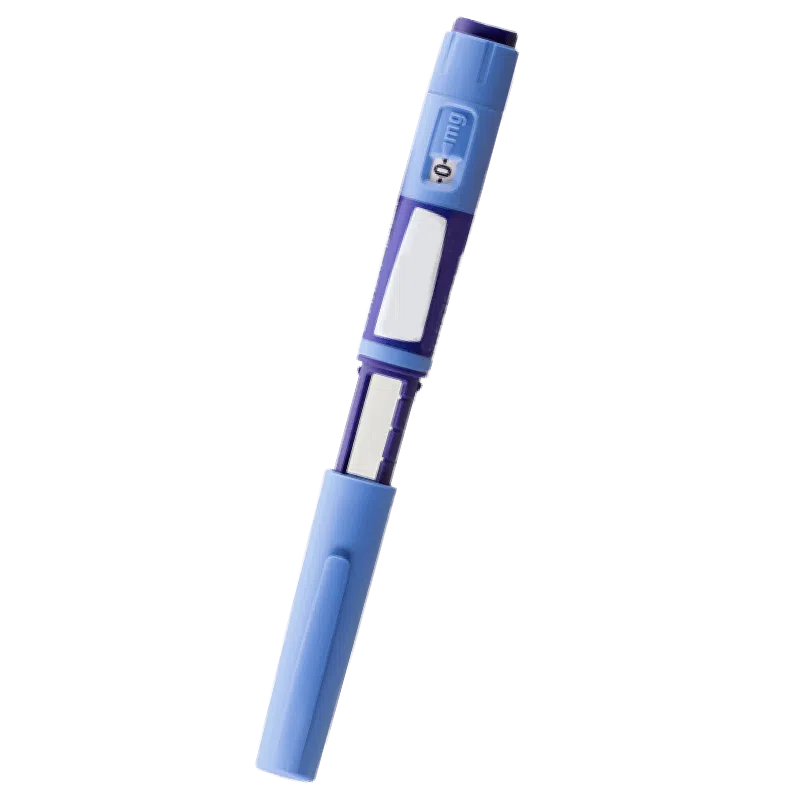
Endometriosis is a painful and often emotionally draining condition that affects 10% of women globally. It happens when cells usually found in the uterus are found growing in other areas, such as the fallopian tubes and ovaries. During menstruation, the tissue that has grown fills with blood and ruptures, which can cause painful symptoms and heavy periods.
There’s no cure for endometriosis, but there are different treatments available to help manage the symptoms.
Hormonal treatments and painkillers can be used. In some cases, surgery may be considered to remove endometrial tissue from the uterus and surrounding area.
Who gets endometriosis?
Endometriosis can affect any woman of reproductive age.
While a definitive cause of endometriosis hasn’t been identified, some studies have suggested that there are some possible risk factors associated with its development.
There’s some evidence to suggest that it could be genetic, but a specific gene has not been identified.
Various risk factors have been identified, including early periods, late menopause, smoking, and a low BMI.
There are also some reports of endometriosis affecting post-menopausal women, but this is rare. If you notice symptoms of endometriosis but have already been through menopause and have stopped having periods, it’s a good idea to talk to a clinician.
How common is endometriosis?
Endometriosis is one of the most common gynecological disorders experienced by women and is prevalent across the globe. It’s frequently underdiagnosed in teenagers and younger women. But when access to medical treatment and lack of female equality in some cultures are taken into account, the global figure of 10% prevalence can seem low.
When we present you with stats, data, opinion or a consensus, we’ll tell you where this came from. And we’ll only present data as clinically reliable if it’s come from a reputable source, such as a state or government-funded health body, a peer-reviewed medical journal, or a recognised analytics or data body. Read more in our editorial policy.
Endometriosis
What causes endometriosis?
No one exactly knows what causes endometriosis. The main symptom of abnormal cell growth in the fallopian tubes, ovaries, and pelvic area has led medical professionals to suggest that retrograde menstruation could be a possible cause. Retrograde menstruation refers to menstrual blood and endometrial cells flowing out of the uterus and through the fallopian tubes. The cells then stick to organs in the pelvic cavity, where they cause painful symptoms, especially during menstruation.
There are a range of other causes that have been suggested by scientists, including genetics, immune disorders, and the movement of endometrial cells through the lymphatic system.
While further research into the causes behind endometriosis is needed, there is a range of treatment options available to help alleviate the symptoms associated with it.
What are the symptoms of endometriosis?
There are a range of symptoms associated with endometriosis. You may only experience one or two symptoms, and their severity can differ from woman to woman. On average, it can take 9.6 years to get diagnosed and this is often due to some of the symptoms being close to those associated with routine menstruation.
Although endometriosis is usually associated with pelvic pain and heavy periods, some women don’t report these symptoms and may only be diagnosed with endometriosis when they have trouble trying to conceive. Not everyone with endometriosis will experience fertility problems, but if you have concerns about your fertility, you should speak to a clinician.
Endometriosis symptoms can include:
heavy periods
irregular periods
chronic pelvic pain
pain in the lower back
pain during sexual intercourse
painful bowel movements
difficulty getting pregnant
Can endometriosis lead to other problems?
There is a lack of understanding surrounding the cause of endometriosis, so it’s difficult to say for certain that it leads to other problems. But there are other conditions that are thought to be closely associated with it.
Although many women with endometriosis can conceive naturally, it’s estimated that between 30-50% of women with endometriosis encounter problems with fertility when trying to conceive.
Some women with endometriosis develop cysts called endometriomas. These tend to form on the ovaries or around the fallopian tubes. They can fill with blood and cause pain and cramping in the pelvis. If they rupture, they can be dangerous and require medical attention.
Endometriosis can impact other areas of your life. Fertility problems, chronic pain and problems with sexual intercourse can contribute to stress in relationships.
The pain caused by endometriosis can be severe and greatly affect your quality of life and mental health. But there are treatments available.
When we present you with stats, data, opinion or a consensus, we’ll tell you where this came from. And we’ll only present data as clinically reliable if it’s come from a reputable source, such as a state or government-funded health body, a peer-reviewed medical journal, or a recognised analytics or data body. Read more in our editorial policy.
Endometriosis
What medications are there for endometriosis?
The first line of treatment for endometriosis is usually hormonal treatment, and this tends to be the contraceptive pill or an intrauterine device (IUD) containing progestins.
When used long term, these treatments thin the lining of the uterus so that periods usually become shorter and lighter. They also have the same effect on the endometrial tissue, so that it doesn’t continue to grow and bleed. Progestins also help to reduce the production of endometrial tissue, so that it’s less likely to find its way out of the uterus and attach itself to somewhere it shouldn’t be.
Common hormonal treatments for endometriosis include Provera, Zalkya and Norethisterone.
It’s also common for women to be prescribed painkillers to help manage the pain caused by endometriosis.
Is there a ‘best’ treatment for endometriosis?
The best treatment for endometriosis is the one that works for you and helps you to feel the most comfortable. Relieving the pain of mild endometriosis can be achieved with a combination of hormonal treatment and painkillers.
However, if you’re trying to get pregnant, you may prefer not to usef hormonal treatments as they may have a contraceptive effect too.
Where endometriosis is severe or has been left undiagnosed, you may need to have surgery to remove the endometrial tissue. This is often done laparoscopically, and depending on the severity of your endometriosis, you may need to have this done more than once. Following the removal of the tissue, you’ll likely be advised to start hormonal treatment to prevent the tissue from growing again and to manage the pain caused by the lesions left behind.
Talking to a clinician can help you to decide on the best course of treatment.
Does endometriosis always need treatment?
Endometriosis symptoms won’t resolve on their own. If you have symptoms, you should speak to a medical professional, as they may suggest some investigations to determine the best course of action for your treatment.
Untreated endometriosis can cause pain that can have a negative impact on your quality of life, mental health and relationships.
It’s possible for endometrial cystic lesions to form in and around the uterus, which may require monitoring or treatment. Endometriosis can also have a negative impact on your fertility.
If you’ve got endometriosis, it’s important to have regular check-ups with a clinician to ensure that your endometriosis is not having a negative impact on any other aspect of your health.
When we present you with stats, data, opinion or a consensus, we’ll tell you where this came from. And we’ll only present data as clinically reliable if it’s come from a reputable source, such as a state or government-funded health body, a peer-reviewed medical journal, or a recognised analytics or data body. Read more in our editorial policy.
Endometriosis
Endometriosis: FAQ
Have something specific you want to know? Search our info below, or ask our experts a question if you can’t find what you’re looking for.
How is endometriosis diagnosed?
Answer:
Getting a diagnosis for endometriosis can be a long process. It takes, on average, 10 years for a woman to get diagnosed. Lack of awareness and association with regular period discomfort can both contribute to a delay in diagnosis.
Diagnosis begins with reporting your symptoms to a clinician. It’s a good idea to keep a diary of symptoms over a number of months so that you can explain how often the symptoms are occurring.
Following a discussion with your clinician, you may have a diagnostic laparoscopy during which a small camera is inserted into your pelvis by a gynecologist in order for them to identify areas of tissue growth and the severity of your endometriosis.
Scans, blood tests, and internal examinations can be helpful in the diagnostic process, but they cannot provide a conclusive diagnosis of endometriosis.
Does endometriosis treatment always work?
Answer:
Getting the right treatment can sometimes take time, but with the support and guidance of a clinician, you should be able to find something that suits you and allows you to manage your symptoms.
It’s important to give new treatments time to work, but also to monitor your periods, pain and mental health closely so that you and your clinician can make changes when needed.
Can you get side effects from endometriosis treatment?
Answer:
Hormonal treatment for endometriosis can sometimes have side effects, but these are usually short-lived and disappear within a few months.
The way you respond to hormonal treatment can cause side effects, but there are a lot of different options available, and although it may take some time and perseverance, there’s usually a treatment that can help.
Common side effects of hormonal treatments include:
bloating
irregular periods
reduced libido
mood changes
Are there tests for endometriosis?
Answer:
There aren’t any tests for endometriosis, but during your consultation with a clinician, there may be a physical examination of your vagina and pelvis similar to that experienced during a Pap test.
Your clinician will also likely examine your stomach and pelvis to check for tenderness and swelling in order to rule out other conditions.
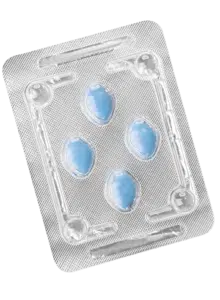
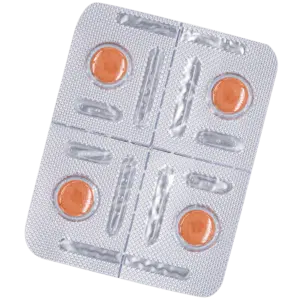
Errin is a progestin-only pill (POP) used to manage the pain and bleeding associated with endometriosis. It's a suitable long-term option for people who can’t take estrogen.
We're making healthcare more about you. Sign up to our newsletter for personalised health articles that make a difference.
Disclaimer: The information provided on this page is not a substitute for professional medical advice, diagnosis, or treatment. If you have any questions or concerns about your health, please talk to a doctor.
All of our reviews are collected from real patients after their treatment has been delivered.
We publish reviews collected through independent platforms including Reviews.io and Trustpilot.
Last updated on Aug 14, 2025.
Endometriosis isn’t available right now.
Aug 14, 2025
Published by: The Treated Content Team.Medically reviewed by: Dr Alexandra Cristina Cowell, Writer & Clinical Content Reviewer
How we source info.
When we present you with stats, data, opinion or a consensus, we’ll tell you where this came from. And we’ll only present data as clinically reliable if it’s come from a reputable source, such as a state or government-funded health body, a peer-reviewed medical journal, or a recognised analytics or data body. Read more in our editorial policy.
 Express shipping
  US clinicians