

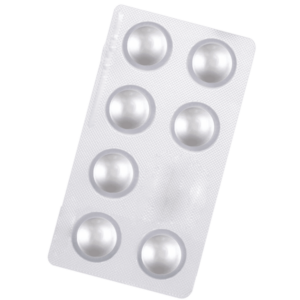

Emverm is a prescription-only medication used to treat pinworm infections (sometimes known as threadworm). It contains mebendazole, an anthelmintic (or antihelminthic) medicine that has been used for over 40 years to treat various intestinal parasites.[1]
Pinworm infections are highly contagious and commonly affect children, caregivers, and people living in close quarters. It’s a common infection that affects over 1 billion people every year.[1] Pinworm infections can spread through contaminated hands, bedding, clothing, and surfaces.
Emverm is designed to work quickly, eliminating pinworms in just one dose.
How does Emverm work?
Emverm contains mebendazole, which belongs to a class of medicines called anthelmintics. Emverm works by targeting and killing off the parasitic worms by blocking their ability to absorb glucose (sugar), which is their main energy source. Without this glucose, the worms lose their ability to move, meaning they can’t grow or reproduce, and eventually die.[1]
Because mebendazole is poorly absorbed into the bloodstream, it stays in the intestines where the pinworms are located. This makes it a highly effective treatment for pinworm, with minimal side effects.[1] Your body then naturally gets rid of the dead worms through your bowel movements.
What forms of Emverm are there?
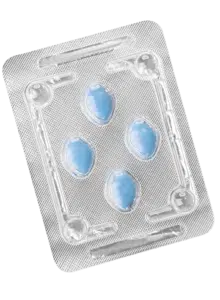
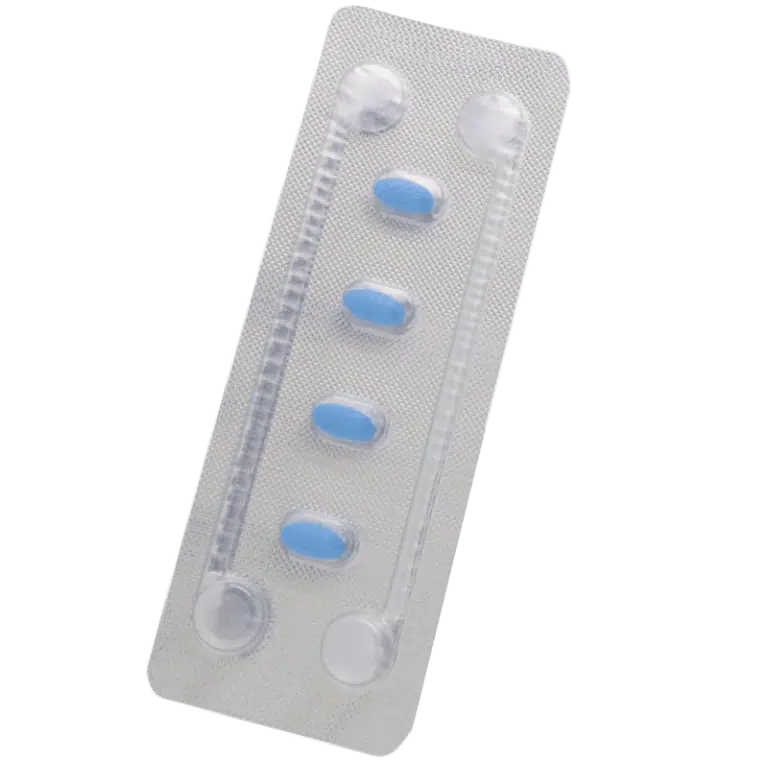
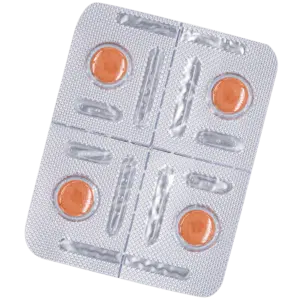
Emverm comes in the form of a chewable 100mg tablet, which can be chewed, swallowed whole, or crushed and mixed with food or water to make it easier to swallow. Most people only need one dose, but if your symptoms persist, a second dose might be prescribed two to three weeks later.
This page was written by The Treated Content Team.
This page was medically reviewed by Dr Alexandra Cristina Cowell on March 28, 2025. Next review due on March 28, 2028.
How we source info.
When we present you with stats, data, opinion or a consensus, we’ll tell you where this came from. And we’ll only present data as clinically reliable if it’s come from a reputable source, such as a state or government-funded health body, a peer-reviewed medical journal, or a recognised analytics or data body. Read more in our editorial policy.
EmvermMebendazole
How to take Emverm?
Take Emverm exactly as your healthcare provider advises. You can take it with or without food, and the tablets can be chewed, swallowed, or even crushed and mixed with food if that’s easier for you. Just make sure to follow your healthcare provider’s instructions for the best results.
How long does it take Emverm to work?
Emverm should start to work straight away, and most people see their symptoms improve within a few days as the worms die and are expelled from the body.
However, itching and discomfort might continue for a short time after you begin treatment, as irritation from pinworm eggs can continue even after the worms are gone. If you’re still experiencing symptoms three weeks after your first treatment, speak to a healthcare provider.
Since pinworm eggs can survive on surfaces for up to three weeks, it’s important to practice good hygiene to stop them recurring,[1] including:
Washing your hands regularly
Keeping fingernails short and clean
Changing and washing bedding, towels, and underwear frequently
Cleaning household surfaces and vacuuming floors
What should I do if I make a mistake when taking Emverm?
Emverm is typically a single-dose treatment, so forgetting to take it is unlikely. If your doctor prescribes a second dose, take it as soon as you can. Emverm is prescribed as one 100mg tablet, so you shouldn’t be able to take too much of it. If you do though, talk to a doctor. Too much Emverm can cause vomiting, diarrhea, stomach cramps, or nausea.
Treated trusted source:
CDC (2024). Clinical Overview of Pinworm infection. Pinworm Infection.
This page was written by The Treated Content Team.
This page was medically reviewed by Dr Alexandra Cristina Cowell on March 28, 2025. Next review due on March 28, 2028.
How we source info.
When we present you with stats, data, opinion or a consensus, we’ll tell you where this came from. And we’ll only present data as clinically reliable if it’s come from a reputable source, such as a state or government-funded health body, a peer-reviewed medical journal, or a recognised analytics or data body. Read more in our editorial policy.
EmvermMebendazole
Emverm isn’t suitable for everyone, and there are some things that you need to be aware of when taking it.
Here’s all the official info on it. If anything is unclear, let our clinician know, and they can talk with you about it.
EmvermMebendazole
Emverm: FAQ
Have something specific you want to know? Search our info below, or ask our experts a question if you can’t find what you’re looking for.
How is Emverm different from other treatments for worms?
Answer:
Emverm (mebendazole) is specifically designed for treating pinworm infections with a single-dose treatment. It works by blocking the worms’ ability to absorb glucose, starving them until they die.
Other worm treatments, like albendazole, are used more broadly, and for a wider range of parasitic infections. It still belongs to the same class of medicines as Emverm though, known as anthelmintics.
Is Emverm similar to any other treatments?
Answer:
There used to be another branded medication with the same active ingredient, called Vermox, but that's no longer available in the US. Both treated pinworm, roundworm, and hookworm infections, but only Emverm is specifically approved in the US for treatment of pinworm.
Does Emverm have any interactions with other medicines?
Answer:
Yes, Emverm can interact with some medicines.
It's especially important not to take Emverm with metronidazole, a medicine used to treat bacterial and protozoan infections. Taking these two together can increase the risk of serious skin reactions, including Stevens-Johnson syndrome (SJS) and toxic epidermal necrolysis (TEN), which can be life-threatening. Symptoms to watch for include severe skin blisters, sores around the mouth, nose, eyes, or genitals, peeling skin, and swelling of the face, lips, or throat. If you notice any of these signs, get medical help immediately.
Always let your healthcare provider know about all the medications you’re taking, so they can help avoid any potentially harmful interactions and ensure you’re getting the safest treatment.
Do I need a prescription for Emverm?
Answer:
Yes, Emverm is a prescription-only medication. A doctor needs to make sure it's safe and appropriate for you to use.
Can I take Emverm while pregnant or breastfeeding?
Answer:
The safety of Emverm during pregnancy and breastfeeding isn't yet confirmed. The FDA classes mebendazole as a Category C drug.[1] This means that animal studies showed there was a potential for mebendazole to cause harm to a fetus, but that human studies are quite limited.
Emverm can pass into your breast milk, and studies haven’t found out if this can harm your baby.
If you're pregnant or breastfeeding, let your doctor know before taking Emverm. They can help decide if the benefits of using Emverm outweigh the potential risks.
Our experts continually monitor new findings in health and medicine, and we update our articles when new info becomes available.
Mar 28, 2025
Published by: The Treated Content Team.Medically reviewed by: Dr Alexandra Cristina Cowell, Writer & Clinical Content Reviewer
How we source info.
When we present you with stats, data, opinion or a consensus, we’ll tell you where this came from. And we’ll only present data as clinically reliable if it’s come from a reputable source, such as a state or government-funded health body, a peer-reviewed medical journal, or a recognised analytics or data body. Read more in our editorial policy.
This is healthcare on your terms.
All from the comfort of your device. Get access to what you need, when you need it.
100% online
Ask questions and get expert recommendations, at the touch of a button.
Tailored choices
We'll narrow down some treatments for you to choose from based on your medical profile.
Secure shipping
Receive your treatment by express delivery, in discreet packaging.
Easy automatic refills
Set your own delivery schedule and pause or make changes any time you like.
We're making healthcare more about you. Sign up to our newsletter for personalised health articles that make a difference.
Disclaimer: The information provided on this page is not a substitute for professional medical advice, diagnosis, or treatment. If you have any questions or concerns about your health, please talk to a doctor.
Dr Alexandra Cristina Cowell
Writer & Clinical Content Reviewer
Cristina writes content for Treated, and reviews content produced by our other writers to make sure it’s clinically accurate.
When we present you with stats, data, opinion or a consensus, we’ll tell you where this came from. And we’ll only present data as clinically reliable if it’s come from a reputable source, such as a state or government-funded health body, a peer-reviewed medical journal, or a recognised analytics or data body. Read more in our editorial policy.
Reviews you can trust
All of our reviews are collected from real patients after their treatment has been delivered.
We publish reviews collected through independent platforms including Reviews.io and Trustpilot.