



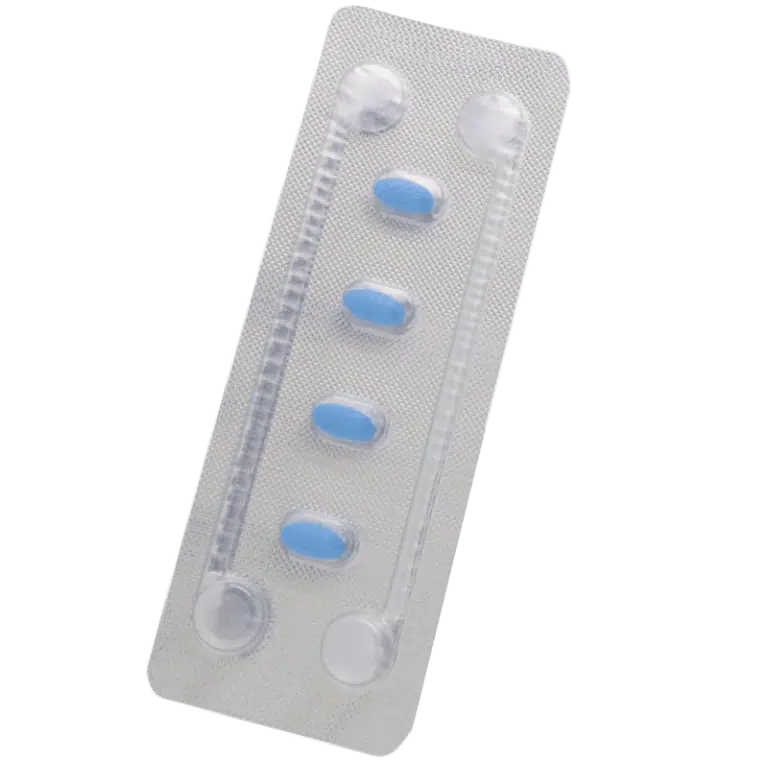








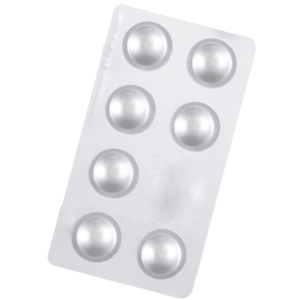


Driminate is a popular medication for treating nausea caused by motion sickness. It contains dimenhydrinate as the active ingredient.
Other brands like Dramamine and Gravol contain the same active ingredient at the same 50mg dose and work similarly. The main differences are cost, packaging, and the manufacturers. Dramamine and Gravol are also available in forms like chewable tablets, syrup or capsules, while Driminate is only available as tablets.
Another over-the-counter option is Meclizine (brand name Bonine), which also belongs to the antihistamine group. Both Driminate and Bonine block histamine receptors, but Driminate is taken every 4 to 6 hours, while Bonine is taken once a day since it lasts up to 24 hours.


How to exercise safely when you have asthma
Thankfully, exercising with asthma isn’t impossible. It can take a little bit of planning, but the…
December 19, 2025
Read more

What is an asthma attack?
Knowing the signs of an asthma attack and what to do is really important if you or someone you know …
December 19, 2025
Read more

Can taking weight loss injections lower your risk of getting dementia?
Everything you need to know about Wegovy and how it may lower the risk of neurodegenerative diseases…
December 12, 2025
Read more