What is Dexamethasone?
Dexamethasone is a prescription corticosteroid, it reduces inflammation and immune overactivity in your body. It’s used for a lot of different conditions, from allergies and asthma to severe infections.
For altitude sickness, it’s used off-label. That means it’s not officially licensed to treat altitude sickness, but healthcare providers do support using it as a way to effectively prevent or relieve your symptoms.[2]
How does Dexamethasone work for altitude sickness?
At high altitudes, lower oxygen levels can cause fluid to build up in the brain, which can cause swelling, pressure, and symptoms like headache, nausea, and confusion. Dexamethasone helps by reducing inflammation and stopping fluid leaking from your blood vessels, which relieves pressure in your brain and prevents your symptoms from getting worse.[1]
Will I get side effects using Dexamethasone?
You might get side effects when taking dexamethasone, but not everyone experiences them.
Common ones include:
- Trouble sleeping or feeling restless
- Increased appetite or mild weight gain
- Mood changes or feeling anxious
More serious side effects are rare when dexamethasone is used for short-term prevention or treatment of altitude sickness.[3]
If you experience facial swelling, trouble breathing, or signs of an allergic reaction, get medical help right away.
What doses of Dexamethasone are there?
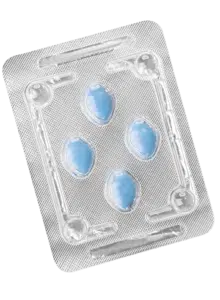
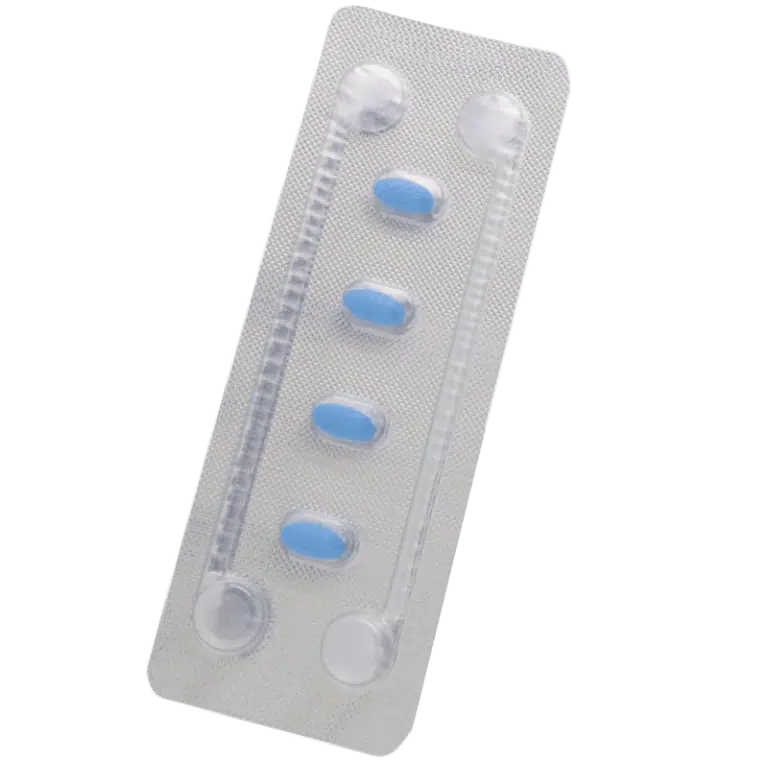
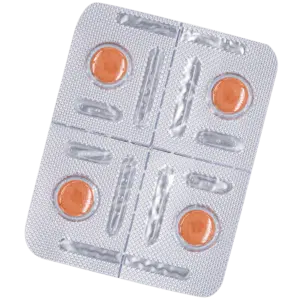
Dexamethasone tablets come in 1mg, 2mg, and 4mg strengths. For altitude sickness, your doctor will decide what the most appropriate dose is for how you’re using it.
Treated trusted source:
- O’Hara, R., et al. (2014). The use of dexamethasone in support of high-altitude ground operations and physical performance: review of the literature. Journal of special operations medicine: a peer reviewed journal for SOF medical professionals, 14(4), pp.53–58.
- Armstrong, C. (2020). Acute Altitude Illness: Updated Prevention and Treatment Guidelines from the Wilderness Medical Society. American Family Physician, 101(8), pp.505–507.
- Johnson, D.B., Kelley, B. and Lopez, M.J. (2023). Dexamethasone. PubMed.
How we source info.
When we present you with stats, data, opinion or a consensus, we’ll tell you where this came from. And we’ll only present data as clinically reliable if it’s come from a reputable source, such as a state or government-funded health body, a peer-reviewed medical journal, or a recognised analytics or data body. Read more in our editorial policy.