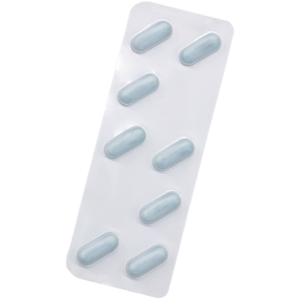
Cetirizine treats all types of allergies, including hay fever, which is an allergic reaction to pollen and dust mites that usually occurs between March and September (when the pollen concentration in the air is at its highest).
It’s a medication that treats hives too. Hives is a red rash that may be itchy, and it can cause a stinging and burning sensation. It’s when large amounts of histamine are released into the skin. Numerous things can trigger it, including an infection, the body responding to a sting or an insect bite, issues with your immune system or medication itself.
Some antihistamines may leave you tired and unable to drive or operate heavy machinery, but Cetirizine is a non-drowsy treatment. So it’s a great option if you want minimal disruption to your routine.
How does Cetirizine work?
Histamines are a substance produced by the immune system when your body feels like it’s under attack. They cause your tissues to swell and become irritated, resulting in effects like watery eyes, itchy throat, sneezing, and a runny nose.[1] If you have allergies, your body treats harmless substances in your environment like potential threats, so you make histamines when you don’t need to.
Antihistamines are used to block the effect of histamines, and so stop allergic symptoms from developing.
What doses of Cetirizine are there?
Cetirizine is available in 10mg doses. You should take one tablet a day, preferably every 24 hours to get the most out of your medication. If you’re sensitive to medication or you have certain medical conditions, you can break the tablet in half and take 5mg per day.
If a 10mg dose isn’t enough to control your symptoms, you might need a different medication. It’s not safe to take more than 10mg of Cetirizine per day.
This page was written by The Treated Content Team.
This page was medically reviewed by Dr. Joseph Palumbo on August 23, 2024. Next review due on August 23, 2027.
How we source info.
When we present you with stats, data, opinion or a consensus, we’ll tell you where this came from. And we’ll only present data as clinically reliable if it’s come from a reputable source, such as a state or government-funded health body, a peer-reviewed medical journal, or a recognised analytics or data body. Read more in our editorial policy.
CetirizineCetirizine
How to take Cetirizine
Swallow one tablet a day with a glass of water, preferably at around the same time every day. The effects of Cetirizine last about 24 hours, so it’s better to aim for a set schedule. You can take your tablet with or without food, so you don’t need to coordinate your pill-taking time with your meals.
If you’re not used to taking medication every day and feel like you could forget to take it, you can set an alarm on your phone to remind you when it’s time to take your tablet. You can also buy a pillbox to lay out your medication for the week. This makes it easy to see if you’ve forgotten your medication.
How long does it take Cetirizine to work?
Cetirizine starts working quite quickly. Usually, you’ll be able to feel its effects within one hour of taking it. You’ll get the benefits of the medication for about 24 hours, so it’s better to take your tablet every day at around the same time.
What should I do if I make a mistake when using Cetirizine?
If you forget to take your tablet, take it as soon as you remember. But if it’s almost time or time for your next dosage, just skip the missed one and then take your tablet as normal. Never take an extra tablet to make up for a missed dose.
If you accidentally take more Cetirizine than you should take in 24 hours, you should seek immediate medical attention. High doses of Cetirizine may cause cardiac issues, and you will need monitoring to make sure that any adverse effects can be treated immediately.
This page was written by The Treated Content Team.
This page was medically reviewed by Dr. Joseph Palumbo on August 23, 2024. Next review due on August 23, 2027.
How we source info.
When we present you with stats, data, opinion or a consensus, we’ll tell you where this came from. And we’ll only present data as clinically reliable if it’s come from a reputable source, such as a state or government-funded health body, a peer-reviewed medical journal, or a recognised analytics or data body. Read more in our editorial policy.
CetirizineCetirizine
Cetirizine isn’t suitable for everyone, and there are some things that you need to be aware of when taking it.
Here’s all the official info on it. If anything is unclear, let our clinician know, and they can talk with you about it.
CetirizineCetirizine
Cetirizine: FAQ
Have something specific you want to know? Search our info below, or ask our experts a question if you can’t find what you’re looking for.
How is Cetirizine different from other treatments for allergies?
Answer:
Cetirizine is a non-drowsy antihistamine, which means it won’t affect your daily routine by making you tired and sleepy. Some antihistamines can cause drowsiness which affects your ability to drive or operate heavy machinery,[1] so non-drowsy antihistamines are the ideal option if you don’t want to disrupt your usual daily activities.
How effective is Cetirizine?
Answer:
Cetirizine is a very effective allergy treatment. A study that compared its effectiveness with Loratadine and placebo has shown that Cetirizine is much superior to the placebo, and slightly better than Loratadine too. [2]
Another study that compared the efficacy of Cetirizine with Fexofenadine has shown that Cetirizine is the better option of the two. [3]
Is Cetirizine similar to any other treatments?
Answer:
There are a few non-drowsy antihistamine options available on the market, including Diphenhydramine, Fexofenadine and Loratadine. You can get all of these over-the-counter in the US.
Do I need a prescription for Cetirizine?
Answer:
Cetirizine is usually either a pharmacy medication or an over-the-counter medication, depending on the form and pack size you use. That means it’s not a prescription treatment, but you can’t always get it over the counter either. You need to get some forms of it from a registered pharmacy after a chat with a clinician, to make sure it’s right for you.
Treated trusted source:
FDA (2024). Know Which Medication Is Right for Your Seasonal Allergies. FDA.
Nunes, C. and Ladeira, S. (2000). Double-blind study of cetirizine and loratadine versus placebo in patients with allergic rhinitis. Journal of Investigational Allergology & Clinical Immunology, 10(1), pp.20–23.
Our experts continually monitor new findings in health and medicine, and we update our articles when new info becomes available.
Aug 23, 2024
Published by: The Treated Content Team.Medically reviewed by: Dr. Joseph Palumbo, Senior Medical Adviser
How we source info.
When we present you with stats, data, opinion or a consensus, we’ll tell you where this came from. And we’ll only present data as clinically reliable if it’s come from a reputable source, such as a state or government-funded health body, a peer-reviewed medical journal, or a recognised analytics or data body. Read more in our editorial policy.
This is healthcare on your terms.
All from the comfort of your device. Get access to what you need, when you need it.
100% online
Ask questions and get expert recommendations, at the touch of a button.
Tailored choices
We'll narrow down some treatments for you to choose from based on your medical profile.
Secure shipping
Receive your treatment by express delivery, in discreet packaging.
Easy automatic refills
Set your own delivery schedule and pause or make changes any time you like.
We're making healthcare more about you. Sign up to our newsletter for personalised health articles that make a difference.
Disclaimer: The information provided on this page is not a substitute for professional medical advice, diagnosis, or treatment. If you have any questions or concerns about your health, please talk to a doctor.
Dr. Joseph Palumbo
Senior Medical Adviser
Joseph joined Treated in 2023, and is one of the lead doctors providing prescribing services for the platform.
When we present you with stats, data, opinion or a consensus, we’ll tell you where this came from. And we’ll only present data as clinically reliable if it’s come from a reputable source, such as a state or government-funded health body, a peer-reviewed medical journal, or a recognised analytics or data body. Read more in our editorial policy.
Reviews you can trust
All of our reviews are collected from real patients after their treatment has been delivered.
We publish reviews collected through independent platforms including Reviews.io and Trustpilot.