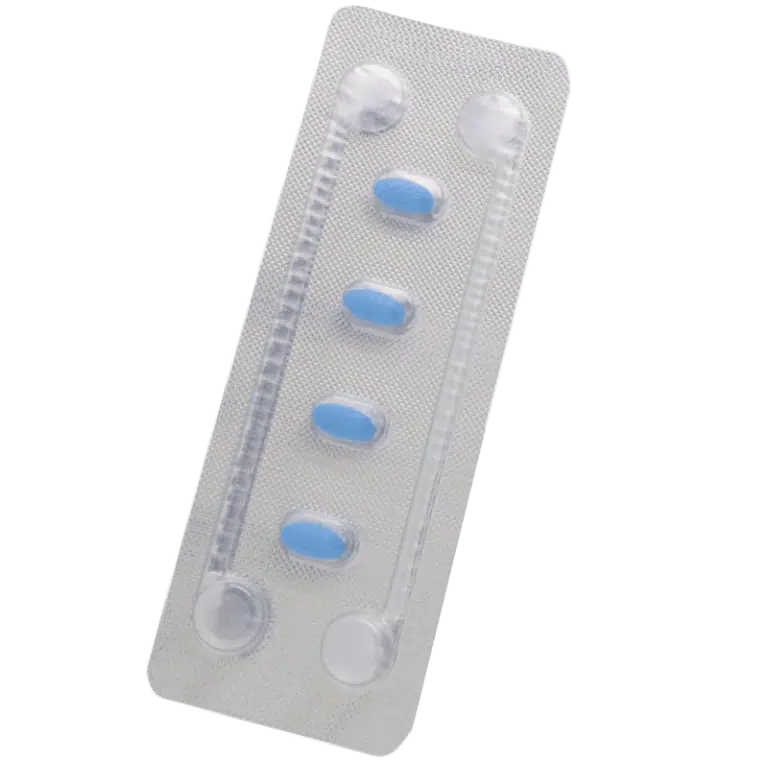
What is Bonine?
Bonine is an antihistamine that can treat three inner ear conditions: Ménière’s disease, labyrinthitis, and BPPV. Although FDA-approved to treat nausea associated with motion sickness, Bonine is prescribed off-label for the three conditions mentioned above. Off-label use simply means that the medication hasn’t been approved yet to treat certain conditions, but there’s enough evidence that the medicine is effective and well-tolerated.
While each condition is different, they share similar symptoms (like vertigo, nausea, and vomiting). These symptoms are caused by a common factor: histamine. By targeting this underlying cause, Bonine can help relieve these symptoms.
How does Bonine work?
Meclizine, the active ingredient in Bonine, is a first-generation antihistamine. It works by blocking histamine in the area of the brain that triggers nausea, dizziness, and vomiting. This restores balance within the inner ear and reduces feelings of vertigo.[1]
It also blocks the brain chemical acetylcholine, which plays a key role in the brain and inner ear in regulating balance and motion. This also contributes to its anti-vertigo effects.[1]
How does Bonine compare with Dramamine?
Bonine and Dramamine are two different, but very similar, treatments for inner ear conditions. Both treatments are antihistamines, but they contain different active ingredients. This means that while they work in similar ways, if one doesn’t work well for you, the other may be effective.
Additionally, Dramamine acts more quickly, taking effect within 30 minutes,[2] but its effects last for a shorter period of 4-8 hours.[3] Bonine, on the other hand, takes around one hour to start working but lasts for up to 24 hours.[4]
Is Bonine non-drowsy?
No, Bonine is a first-generation antihistamine that enters the brain and blocks histamine and acetylcholine, which can affect how alert you feel.[5] So you may get drowsy or sleepy as a result. If you become drowsy, don’t drive or operate heavy machinery.
What doses of Bonine are there?
Bonine is only available in one dose of 25 mg. You’ll usually take one tablet as required, but you can take two tablets if needed.
If you prefer a lower dose, you can get a generic Bonine in a 12.5 mg dose.
How we source info.
When we present you with stats, data, opinion or a consensus, we’ll tell you where this came from. And we’ll only present data as clinically reliable if it’s come from a reputable source, such as a state or government-funded health body, a peer-reviewed medical journal, or a recognised analytics or data body. Read more in our editorial policy.