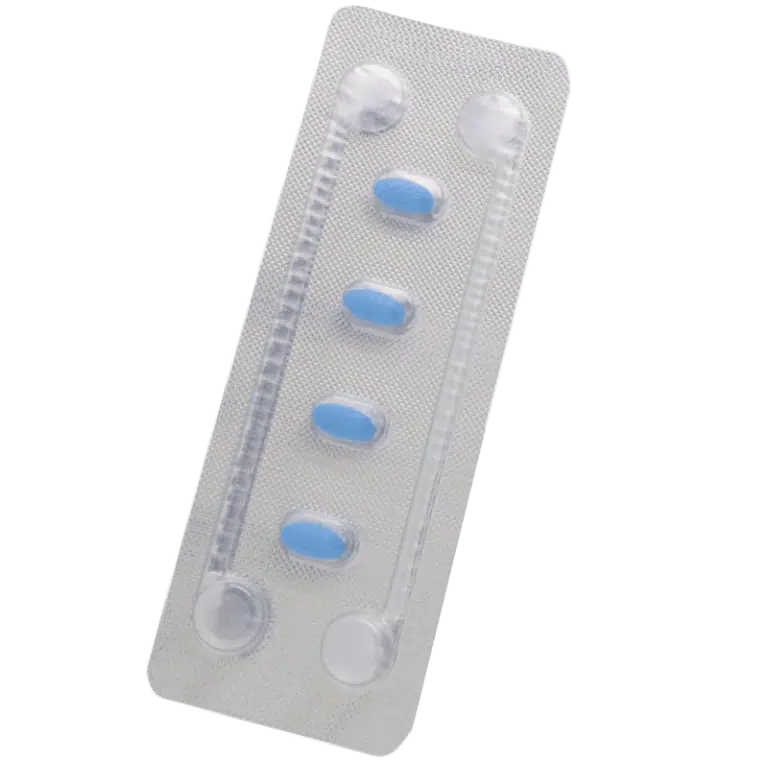
What is Antivert?
Antivert is an antihistamine that treats nausea and dizziness. It can help relieve symptoms of BPPV, a condition that affects your inner ear, causing vertigo, hearing loss, and nausea. It’s best to take Antivert as soon as you feel an attack coming to prevent the symptoms from worsening.
How does Antivert work?
Meclizine, the active ingredient in Antivert, is an antihistamine. Histamine is a chemical in the body that contributes to vertigo, nausea and dizziness.[1]
Meclizine blocks histamine receptors in your brain, which reduces signals that trigger nausea and vertigo. This helps calm the inner ear and relieves symptoms of BPPV.[2]
It also has anticholinergic effects, meaning that it blocks the action of a chemical called acetylcholine in the brain. This also helps reduce vertigo symptoms.[2]
Will I get side effects with Antivert?
Yes, you might get side effects when taking Antivert, although not everyone will get them. Some side effects include:
- Drowsiness
- Dry mouth
- Fatigue
- Nausea
- Vomiting
- Headache
For more information, check the package leaflet that comes with your medicine.
Is Antivert available over the counter?
No, Antivert is only available with a prescription from a doctor. This is so they can check if it’s safe and suitable for you.
How does Antivert compare with Dramamine?
Antivert and Dramamine are two medicines that treat BPPV. Both are antihistamines, but they contain different active ingredients. So, if one isn’t effective for you, the other may be worth trying.
Other differences include:
- Onset time. Antivert works within one hour, while Dramamine can start working within 30 minutes. [3]
- Duration. Antivert can last between 8 and 24 hours,[4] while Dramamine has a shorter duration of 4-8 hours.[5]
- Prescription status. Antivert is only available with a prescription, while Dramamine is available over the counter.
What doses of Antivert are there?
Antivert comes as a 25 mg tablet. The typical dose is 12.5 mg to 25 mg per dose, taken as needed when symptoms occur. This can be increased to a maximum of 50 mg per day.
How we source info.
When we present you with stats, data, opinion or a consensus, we’ll tell you where this came from. And we’ll only present data as clinically reliable if it’s come from a reputable source, such as a state or government-funded health body, a peer-reviewed medical journal, or a recognised analytics or data body. Read more in our editorial policy.