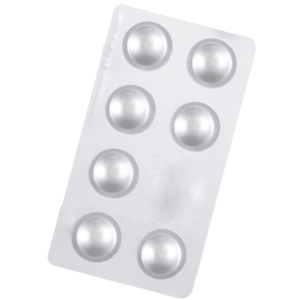
What is Amoxicillin/Clavulanate Potassium?
Amoxicillin/Clavulanate Potassium is an antibiotic that can destroy bacteria and help clear infections, including bacterial sinusitis.
Sinusitis can have lots of different causes, such as nasal polyps, allergies, or seasonal changes. Occasionally, it can turn into a sinus infection. Bacterial sinus infections usually cause more severe symptoms than viral ones, and need treating with antibiotics.
Who is Amoxicillin/Clavulanate Potassium for?
Amoxicillin/Clavulanate Potassium is prescribed for adults (aged 18 or over) with sinusitis caused by a bacterial infection. If you suffer from sinusitis, you might experience pain in your forehead, nose, and cheeks, as well as general congestion and post-nasal drip (when excess mucus drains down the back of your throat from your nose).
Bacterial sinusitis usually worsens these symptoms. If you have a sinus infection and your symptoms are persistent and last for over ten days, you might need a course of antibiotics to clear the infection from your system.
How does Amoxicillin/Clavulanate Potassium work?
Amoxicillin/Clavulanate Potassium combines two medications in one tablet. Amoxicillin is a penicillin antibiotic, which works by breaking down and destroying infection-causing bacteria.
Clavulanate Potassium works by stopping bacteria that are resistant to amoxicillin. This allows amoxicillin to work more effectively at clearing infections.[1]
Are there different doses of Amoxicillin/Clavulanate Potassium?
Amoxicillin/Clavulanate Potassium is available with us in one dose: 875mg of amoxicillin and 125mg of clavulanate potassium. Doses of 500mg of amoxicillin and 125mg of clavulanate potassium and 250mg of amoxicillin and 125mg of clavulanate potassium may be available in other pharmacies.
The usual routine is to take one tablet every 12 hours, for up to ten days. Your physician will let you know if they think you need to take Amoxicillin/Clavulanate Potassium for any longer than this, as more severe infections might require a longer course of treatment.
How we source info.
When we present you with stats, data, opinion or a consensus, we’ll tell you where this came from. And we’ll only present data as clinically reliable if it’s come from a reputable source, such as a state or government-funded health body, a peer-reviewed medical journal, or a recognised analytics or data body. Read more in our editorial policy.