
Should I use supplements alongside my weight loss injections?
Get to know the types of dietary supplements, and when you should consider using them.


In general, you should be able to get all the vitamins and minerals you need from your diet – in fact, it’s typically the best way to get the nutrients your body needs. But weight loss injections can affect how you eat in a big way. They’re designed to help you manage how much you eat by reducing your appetite, but this can have an impact on the nutrition you get from food.
Supplements are a way to up your intake of specific nutrients, but they aren’t right for everyone. You should always speak to your healthcare provider before you take any nutrient or dietary supplements, especially if you’re using prescription medications like blood thinners or diabetes treatment. This ensures you’re only taking the supplements you need, and that they’re safe for you to use.
Why might I need supplements?
There are a couple of different reasons you might take supplements while using weight loss injections:
- To increase the amount of nutrients you’re consuming
Because weight loss injections reduce your appetite to help you lose weight, they can affect the amount of nutrients you usually get from eating. You might take supplements to “fill the gap” in your nutrient intake this could cause, but it’s important to speak to a nutritionist or clinician before taking any supplements. Some vitamin and mineral supplements can cause side effects, or be dangerous in high levels – so speaking with a clinician ensures you’re only taking supplements that will benefit you, and should help you avoid any potential side effects.[1]
- To combat some side effects
Weight loss injections can come with their own side effects when you start using them. So another kind of supplement you might take is one that helps reduce these side effects. For example, nausea is really common in the early days of using weight loss injections. Studies suggest that ginger is good at reducing feelings of nausea and vomiting, so a ginger supplement could help manage this side effect while your body adapts to the medicine.[2]
But because weight loss injections are relatively new treatments, there’s not a lot of scientific evidence on using them alongside supplements yet. This is another reason it’s really important to only use supplements with the help of a medical professional – so you’re as safe as possible while using them.
A closer look at the supplements
| Supplement | Benefits | Contraindications | Considerations |
| Ginger | Can help prevent and treat nausea, which is a common side effect of weight loss injections.[3] But additional controlled studies are still needed to determine how effective it is.[4] | Can affect the platelets in your blood, which can cause excessive bleeding (especially for people using blood thinners like warfarin). But a recent study revealed daily ginger had no effect on platelet aggregation or dosage of warfarin.[3]
High doses aren’t recommended for pregnant women, due to a possible risk of miscarriage. But a review of ginger’s safety for pregnant women revealed there were no differences between births in those exposed to ginger in the first trimester of pregnancy.[3] |
May affect your blood sugar levels, which could interact with medicine for diabetes. |
| Probiotics | Live microorganisms that can improve gut health and help relieve gastrointestinal side effects. They live in your gut and can provide lots of health benefits by maintaining a healthy microbiota balance.[5] | Usually safe to use, but those who are immunocompromised (or using medications that suppress the immune system) should be cautious using probiotics, as there’s a risk of disease like bacteremia or endocarditis developing in rare cases.[6] | You need to use the right strain (or combination of strains) for your symptoms to get the most out of probiotics. So it’s important to speak with a healthcare professional to find the type that’s right for your gut.[7]
They can also cause digestive side effects when you first start taking them. So it’s usually best to introduce them slowly, especially if you have pre-existing digestive problems. |
| B-vitamins | Necessary for lots of bodily functions, like producing energy and the synthesis of neurotransmitters.[8] | High doses of B vitamins taken for a long time can cause kidney disease to worsen more quickly, resulting in a more rapid decline in kidney function.[9] There’s also a risk of nerve damage (peripheral neuropathy), skin disease, photosensitivity and nausea from prolonged B vitamin overdose.[10] | Absorption of vitamin B12 can be affected by certain medications like metformin, a treatment for type 2 diabetes.[11] |
| Magnesium | Helps improve digestive health, and studies suggest it can relieve constipation – a common side effect of weight loss injections.[12] | Speak with a doctor about your magnesium intake if you have decreased kidney function, as taking supplemental magnesium with kidney dysfunction can cause magnesium to accumulate to dangerous levels in your body.[13] | High magnesium doses from supplements can cause stomach pain, nausea, and diarrhoea – the latter of which can affect your electrolyte balance and cause dehydration.[14] |
| Vitamin D | Increases the amount of calcium your gut absorbs from your diet, and helps produce proteins that work with vitamin K to metabolise calcium.[15] | Too much can cause hypercalcemia – which means you have too much calcium in your blood.[15] The risk is higher if you’re also taking a calcium supplement, and it can cause weak bones and kidney stones. | Keeping an eye on your vitamin D levels is really important to avoid toxicity. Because magnesium is needed to activate vitamin D, it’s also important to keep track of your magnesium levels, to make sure they’re balanced with your vitamin D and calcium intake.[16] |
| Vitamin K2 | Directs the calcium absorbed by your gut to your bones, which also helps reduce the amount of calcium deposited in your arteries. This helps strengthen your bones, as well as reducing risk of cardiovascular disease.[17] | Talk to a clinician if you’re using blood-thinning medicine (like warfarin) before taking a supplement, because vitamin K is involved with producing proteins that are necessary for blood clotting – so it might interfere with your treatment.[18] | Generally safe to use, but dosage should be considered carefully and monitored if you have a clotting disorder or are using blood-thinning medication. |
| Calcium | Essential for healthy cardiovascular function; bone strength, structure, and integrity; and contracting your muscles.[19] | Too much calcium can increase risk of cardiovascular disease. Your body can’t process more than 500 mg of calcium at once, so taking more can increase the risk of blood clots – or cause calcium to build up in your arteries, narrowing your blood vessels.[20] | It’s typically best to get your calcium from your diet, as sources of calcium tend to contain other beneficial nutrients |
| Omega-3 fatty acids | Very beneficial for heart health, these can help lower your risk of heart disease and cardiovascular complications.[21] Good heart health is a significant factor in managing obesity, and weight-related conditions like type-2 diabetes. | May reduce activity of platelets in your blood, which can increase the risk of heavy bleeding in high doses, or if used with blood thinning medications.[22] | Look for certified products if you’ve been advised to take an omega-3 fatty acid supplement. There’s a chance uncertified products can be of a lower quality, and contain contaminants. |
| Protein powder | Eating more protein is associated with increased satiety (meaning you feel fuller for longer after eating), and can help you build and retain lean muscle mass alongside exercise.[23]
High-protein meals may also help to reduce feelings of nausea. |
There aren’t any direct contraindications with protein – your body needs it for essential functions like building and repairing muscle. But if you’re using protein powder the type of powder you use could upset your stomach if it contains another ingredient you’re intolerant to (like whey, soy, etc.). | Some protein powders can contain added sugars, or be high in calories to help people trying to build muscle. Make sure your protein powder is low in sugar, and doesn’t contain a large amount of calories. |
| Alpha-Lipoic Acid (ALA) | An antioxidant that can help decrease insulin resistance and manage blood sugar levels, which supports the blood-sugar regulating effects of Wegovy.[24] | Can cause low blood sugar levels if used alongside other diabetes medications, like insulin or sulfonylureas. | You should consult with a doctor before using ALA if you have liver disease, diabetes, or a thyroid disorder. It’s also important to speak to a doctor before taking ALA if you drink a lot of alcohol.[25] |
| Multivitamin | Supplementing your micronutrient intake with a multivitamin can improve low nutrient levels, and ensure you’re getting a full range of essential vitamins and minerals.[26] This can be especially important because weight loss injections affect how much you eat, which can impact your regular nutrient intake from food. Side effects of weight loss injections like nausea and vomiting can further disrupt your nutrient intake, even if you still eat well – so taking a multivitamin may be beneficial if you’re experiencing side effects. | There are no known contraindications to taking a multivitamin, but high levels of certain vitamins can cause toxicities. So always speak with a healthcare professional before you start taking a multivitamin or nutrient supplement.
To get the most out of your nutrient supplement it can be best to take it at a different time of day than Wegovy. |
Some multivitamins can contain a lot of sugar or other unhealthy additives – so make sure you’re using a simple, high quality formulation. |
Introducing supplements safely
It’s really important to remember that you shouldn’t start taking any nutritional supplements without discussing it with your clinician first. Certain supplements can interfere with other medications you might be taking, or cause complications when used alongside health conditions like diabetes or kidney issues. Very high doses of certain vitamins and minerals can also cause toxicities, so it’s always best to make sure you’re only taking what you need to.
By speaking with a clinician first, you can be sure you’re taking the right supplements for you, and not risking any side effects by using supplements you don’t need. You’ll also have the peace of mind that these supplements won’t interact with any health conditions or other medications you’re taking.
NUTRIENT PROFILES
Ginger

Found in: Ginger tea; smoothies; cooked into meals
Recommended intake: 1,500 mg, divided into smaller doses throughout the day.
Contraindications: May increase bleeding risk, particularly if you’re using blood-thinning medication (like warfarin). Can also affect diabetes medications by altering blood sugar levels.
Probiotics

Found in: Yogurt (with active or live cultures); sauerkraut; tempeh; kimchi; miso; kombucha; fermented pickles; natto; kefir
Recommended intake: Probiotics are measured in colony-forming units (CFU), which are an indication of how many cells can reproduce to make small companies. For general health and immune support, it’s recommended you take 5 billion CFU each day – but the best dosage for you will depend on the strain you’re using and your individual health.
Contraindications: Typically safe to use, but can cause complications if you’re severely immunocompromised.
B-Vitamins

Found in: Meat (especially liver); poultry; seafood; eggs; milk; mushrooms; fortified cereals; leafy green veg (cabbage, kale, spring greens, spinach); legumes (peas, chickpeas, kidney beans)
Recommended intake: It depends on the type of B vitamin. For adult men, it’s recommended to aim for a daily intake of 1.2 mg vitamin B1; 1.3 mg vitamin B2; 16 mg vitamin B3; 5 mg vitamin B5; 1.3 mg vitamin B6; 30 mcg vitamin B7; 400 mcg vitamin B9; 2.4 mcg vitamin B12. Adult women are recommended to get 1.1 mg vitamin B1; 1.1 mg vitamin B2; 14 mg vitamin b3; 5 mg vitamin B5; 1.3 mg vitamin B6; 30 mcg vitamin B7; 400 mcg vitamin B9; 2.4 mcg vitamin B12.
Contraindications: In high doses some B vitamins can damage nerves, or cause kidney disease to worsen.
Magnesium
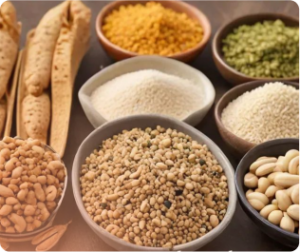
Found in: Whole wheat flour; spinach; quinoa; nuts (almonds, cashews, peanuts); black beans
Recommended intake: For adults between 19 and 30 years old, men should try to get 400 mg of magnesium per day, and women should aim for 310 mg. From 30 onwards, it’s advised that men up their daily dose to 420 mg, and women to 320 mg.
Contraindications: If you have decreased kidney function, taking supplemental magnesium can increase the risk of it gathering to dangerous levels in your body.
Vitamin D

Found in: Oily and fatty fish (salmon, halibut, mackerel, sardines); egg yolks; red meat; liver; mushrooms; fortified cereals and drinks. But the amount we get from food is very low compared to our daily needs – the best sources of vitamin D are natural sunlight or supplements.
Recommended intake: Adults should try to get 15 mcg of vitamin D each day.
Contraindications: Can cause calcium to build up to dangerous levels if used alongside a calcium supplement, if you’re not deficient in calcium.
Vitamin K2

Found in: Hard cheeses; beef; liver; egg yolks; chicken; fatty fish; sauerkraut; natto; kefir
Recommended intake: There isn’t an official daily recommended amount of Vitamin K2 – it isn’t quite the same as the “total” amount of vitamin K. But trying to get around 32 mcg of vitamin K2 each day is reasonable to help heart health, as well as preventing complications related to calcification.
Contraindications: Can interfere with proteins that are necessary for blood clotting, so speak to a clinician if you’re using blood thinning medication (like warfarin).
Calcium

Found in: Dairy products (milk, cheese, yogurt); fortified plant-based milks; winter squash; edamame; almonds; leafy greens (kale, spinach, bok choy, spring greens)
Recommended intake: 1,000 mg per day for those aged 19-50. For women over 50 and everyone over 70, it’s recommended to up this to 1,200 mg per day.
Contraindications: Taking excessive calcium from supplements can be linked to cardiovascular problems and kidney stones.
Omega-3 Fatty Acids

Found in: Fatty fish and other seafood (salmon, mackerel, tuna, herring, sardines, anchovies, oysters); nuts and seeds (flaxseed, chia seeds, walnuts); plant oils (flaxseed oil, soybean oil, canola oil); cod liver oil
Recommended intake: You should try to consume 1.0 g of omega-3 fatty acids each day from food and supplements, with 250-500 mg of that being a combination of DHA/EPA – two specific omega 3 fats.27
Contraindications: Could reduce platelet activity in your blood, which can increase bleeding risk in high doses (or if used with blood thinning medications like warfarin).
Protein Powder
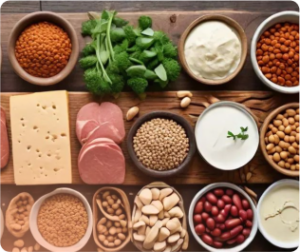
Found in: Protein powder is its own supplement, so isn’t usually found in other foods – but other dietary sources of protein include meat and fish; meat substitutes (tofu, tempeh, plant-based alternatives); dairy products (milk, yogurt); nuts and seeds; legumes (beans, lentils, peas)
Recommended intake: It’s recommended you try and get at least 0.75g of protein for each kilo of your body weight each day. This is usually around 55 g for men and 45 g for women – but this varies from person to person.
Contraindications: While there aren’t any contraindications for protein itself, the type of protein powder you use could upset your stomach if it contains other ingredients that you’re intolerant to.
Alpha-Lipoic Acid

Found in: Red meats, organ meat (liver, heart, kidney); broccoli; spinach; brussel sprouts; tomatoes; potatoes; carrots; beets
Recommended intake: Adult women should try to get around 1.1 g of ALA per day, whereas men should aim for 1.6 g daily.
Contraindications: Can contribute to low blood sugar levels if used with diabetes medicines.
Multivitamin

Found in: Multivitamins are nutrient supplements that can help compliment a balanced diet, but aren’t found in food themselves. However, it’s typically better to get your vitamins from your diet instead. Some nutrient-dense foods you can eat to up your nutrient intake include kale; liver; fatty fish (salmon, sardines, anchovies); seaweed; shellfish; eggs; whole fruits and vegetables
Recommended intake: It depends on the multivitamin you’re using. Speak with your doctor or nutritionist to determine which nutrients you might be deficient in, and make sure you follow the instructions on how much to take each day.
Contraindications: While there aren’t any direct contraindications with multivitamins, too much of some vitamins can result in toxicities. Speak with a healthcare professional before you start taking any multivitamins or supplements, to make sure they’re right for you.
- National News in Health. (2013). Should You Take Dietary Supplements?
A Look at Vitamins, Minerals, Botanicals and More. National Institutes of Health. - Anh, N.H. et al. (2020). Ginger on Human Health: A Comprehensive Systematic Review of 109 Randomized Controlled Trials. Nutrients. 12(1). 157.
- Nikkhah Bodagh, H. et al. (2019). Ginger in gastrointestinal disorders: A systematic review of clinical trials. Food Science & Nutrition. 7(1). pp. 96-108.
- Giacosa, A. et al. (2015). Can nausea and vomiting be treated with ginger extract? European Review for Medical and Pharmacological Sciences. 19(7). pp. 1291-1296.
- Bodke, H. Jogdand, S. (2022). Role of Probiotics in Human Health. Cureus. 14(11).
- Snydman, D.R. (2008). The safety of probiotics. Clinical Infectious Diseases. 46(2).
- Shahrokhi M, Nagalli, S. (2023). Probiotics. StatPearls. Treasure Island (FL): StatPearls Publishing.
- Hanna, M. et al. (2022). B Vitamins: Functions and Uses in Medicine. The Permanente Journal. 26(2). pp. 89-97.
- JAMA and Archives Journals. (2010). High doses of B vitamins associated with increased decline in kidney function for patients with kidney disease from diabetes. Science Daily. 30 April.
- Hemminger, A. Wills, B.K. (2023). Vitamin B6 Toxicity. StatPearls. Treasure Island (FL): StatPearls Publishing.
- Jiwoon, K. et al. (2019). Association between metformin dose and vitamin B12 deficiency in patients with type 2 diabetes. Medicine (Baltimore). 98(46).
- Zhang, L. (2021). Association of dietary magnesium intake with chronic constipation among US adults: Evidence from the National Health and Nutrition Examination Survey. Food Science and Nutrition. 9(12). pp. 6632 -6641.
- Fukop, T. (2023). Hypermagnesemia. Medscape, 08 November.
- National Institutes of Health. (2022). Magnesium. National Institutes of Health, 02 June.
- Van Ballegooijen, A.J. et al. (2017). The Synergistic Interplay between Vitamins D and K for Bone and Cardiovascular Health: A Narrative Review. International Journal of Endocrinology.
- DiNicolantonio, J.J. O’Keefe, J.H. (2021). Magnesium and Vitamin D Deficiency as a Potential Cause of Immune Dysfunction, Cytokine Storm and Disseminated Intravascular Coagulation in covid-19 patients. Missouri Medicine. 118(1). pp. 68-73.
- Leech, J. Warwick, K.W. (2024). Vitamin K2: Everything You Need to Know. Healthline, 5 March.
- Harvard TH Chan School of Public Health. (2023). Vitamin K. Harvard TH Chan School of Public Health.
- Drake, T.M. Gupta, V. (2024). Calcium. StatPearls. Treasure Island (FL): StatPearls Publishing.
- John Hopkins Medicine. (n.d). Calcium Supplements: Should You Take Them? John Hopkins Medicine.
- Shen, S. et al. (2022). Omega-3 Fatty Acid Supplementation and Coronary Heart Disease Risks: A Meta-Analysis of Randomized Controlled Clinical Trials. Frontiers in Nutrition.
- Krupa, K. Fritz, K. Parmar, M. (2023). Omega-3 Fatty Acids. StatPearls. Treasure Island (FL): StatPearls Publishing.
- Paddon-Jones, D. et al. (2008). Protein, weight management, and satiety. The American Journal of Clinical Nutrition. 87(5).
- Ansar, H. et al. (2011). Effect of alpha-lipoic acid on blood glucose, insulin resistance and glutathione peroxidase of type 2 diabetic patients. Saudi Medical Journal. 32(6). pp. 584-588.
- Nguyen, H. Pellegrini, M.V. Gupta, V. (2024). Alpha-Lipoic Acid. StatPearls. Treasure Island (FL): StatPearls Publishing.
- Mckay, D.L. et al. (2000). The effects of a multivitamin/mineral supplement on micronutrient status, antioxidant capacity and cytokine production in healthy older adults consuming a fortified diet. Journal of the American College of Nutrition. 19(5). pp. 613-621.
- Dempsey, M. et al. (2023). The influence of dietary and supplemental omega-3 fatty acids on the omega-3 index: A scoping review. Frontiers in Nutrition.
When we present you with stats, data, opinion or a consensus, we’ll tell you where this came from. And we’ll only present data as clinically reliable if it’s come from a reputable source, such as a state or government-funded health body, a peer-reviewed medical journal, or a recognised analytics or data body. Read more in our editorial policy.





Share your thoughts.
Was this info helpful?